
Customer
Kravia streamlines Nordic reporting with Sumledger
Sumledger
Kravia, a rapidly growing player in invoice follow-up and debt collection, has chosen Sumledger as its solution for reporting and consolidation. With operations in Norway, Sweden, and Finland, Kravia now gathers data from multiple systems and countries into one flexible platform.

What Kravia needed
Kravia needed a more efficient way to unify Nordic reporting, with less manual work and more time for analysis.
Where Sumledger fits
Sumledger supports reporting across countries and companies while letting the finance team keep working from controlled numbers.
Read the full customer story
The full customer story is available on the customer page, with more context on the reporting need and how the solution supports Kravia's work.
Relevant to explore
Group reporting
Unify reporting and consolidation for growing groups across companies and systems.
Multi-ERP control
Give finance one shared control layer even when subsidiaries use different ERP and accounting systems.
Financial control
Start at group level and drill down to company, account, transaction and voucher where data is available.
Go deeper into the Kravia story
See how Kravia uses Sumledger to simplify Nordic reporting and free up time for value-creating finance work.
Read customer storyRead next
Related articles
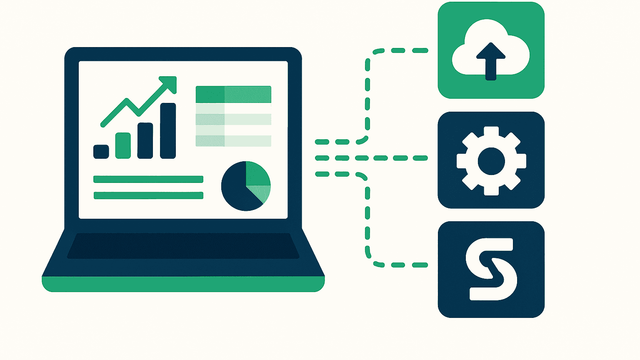
Why Multi-ERP Groups Struggle With Reporting (And How to Fix It)
A practical approach to account mapping, intercompany entries and variance analysis across different accounting systems.
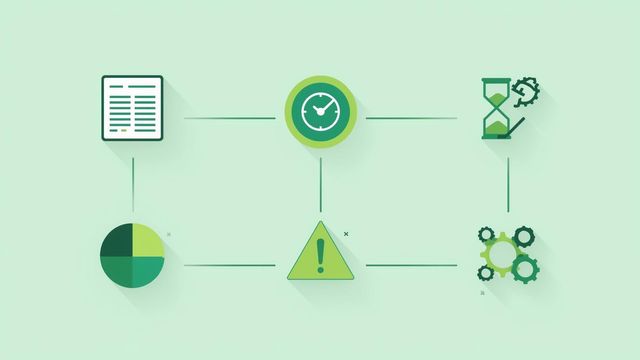
The True Cost of Manual Group Reporting (And Why Automation Pays Off)
Manual group reporting looks simple on the surface, but the hidden costs are significant. Time-consuming exports, manual mappings, currency errors and dependency on key individuals slow down the entire finance function. Automated consolidation removes this friction by standardising data, updating numbers in real time and eliminating manual work while Sumledger still provides full Excel flexibility through Sumledger EXL. The result is faster reporting, fewer errors and more time for meaningful analysis.
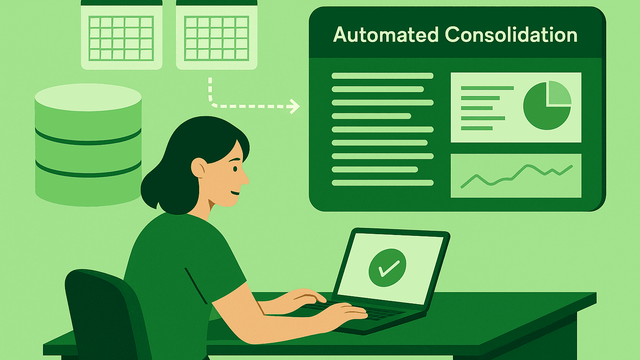
Excel vs. Consolidation Software: When Is It Time to Switch?
Use control, complexity and reporting effort to decide when Excel is sufficient and when a shared group reporting layer becomes useful.